


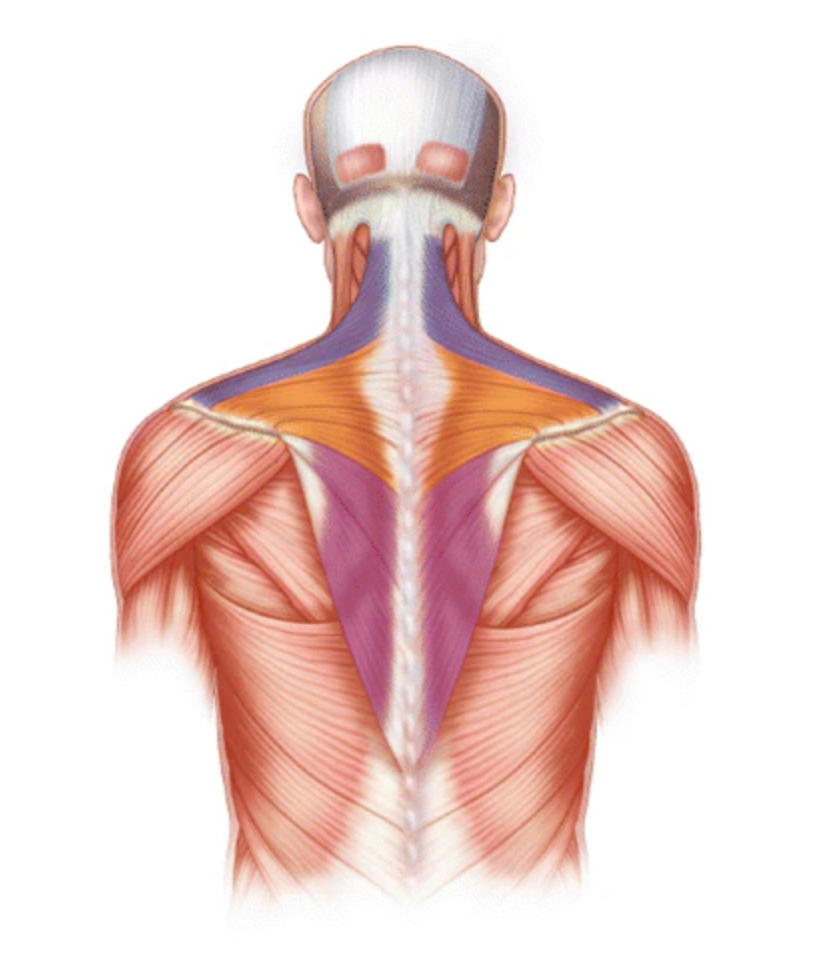
Why Lower Trap Weakness May Be Causing Your Shoulder Pain
If you feel pain when reaching overhead—whether you’re lifting weights, throwing, working overhead, climbing or even putting dishes away—your shoulder joint may not be the real problem.
In many cases, the root cause is poor posture and weakness in a key stabilizing muscle: the lower trapezius.
Let’s break down what’s really going on—and how physical therapy can help you fix it.
Understanding Your Shoulder: It’s More Than Just One Joint
Your shoulder isn’t just one joint—it’s a complex system involving:
- The glenohumeral joint (ball and socket)
- The acromion clavicular joint (where your collarbone meets the shoulder)
- The scapula (shoulder blade)
- The thoracic spine (upper back)
- All the surrounding muscles that coordinate movement
For smooth, pain-free overhead motion, your shoulder blade must move properly. This is called scapulohumeral rhythm.
When this rhythm is off, pain is often the result.
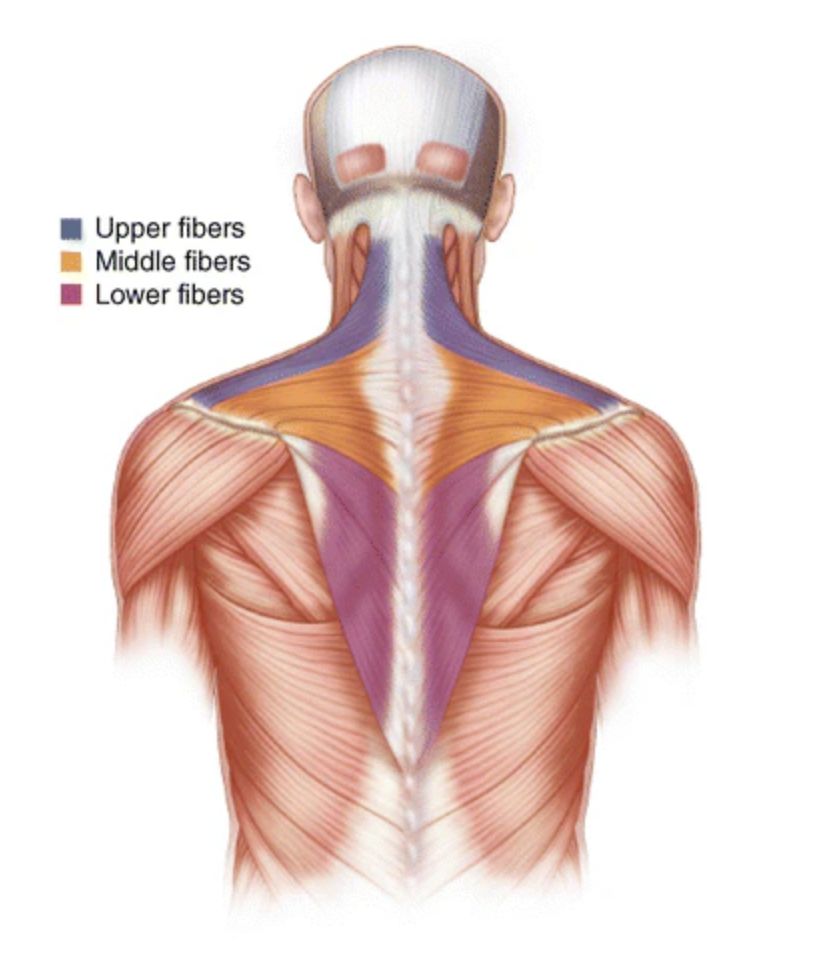
The Role of the Lower Trapezius
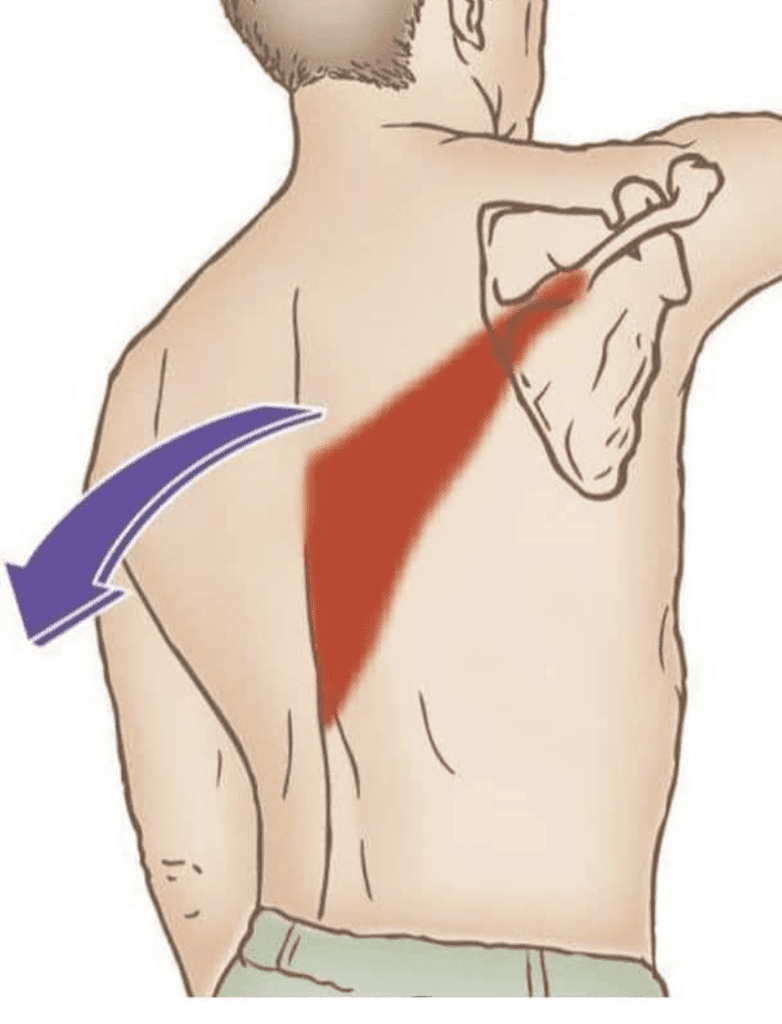
The lower trapezius is a critical muscle that:
• Pulls the shoulder blade downward (depression)
• Rotates it upward during overhead movement
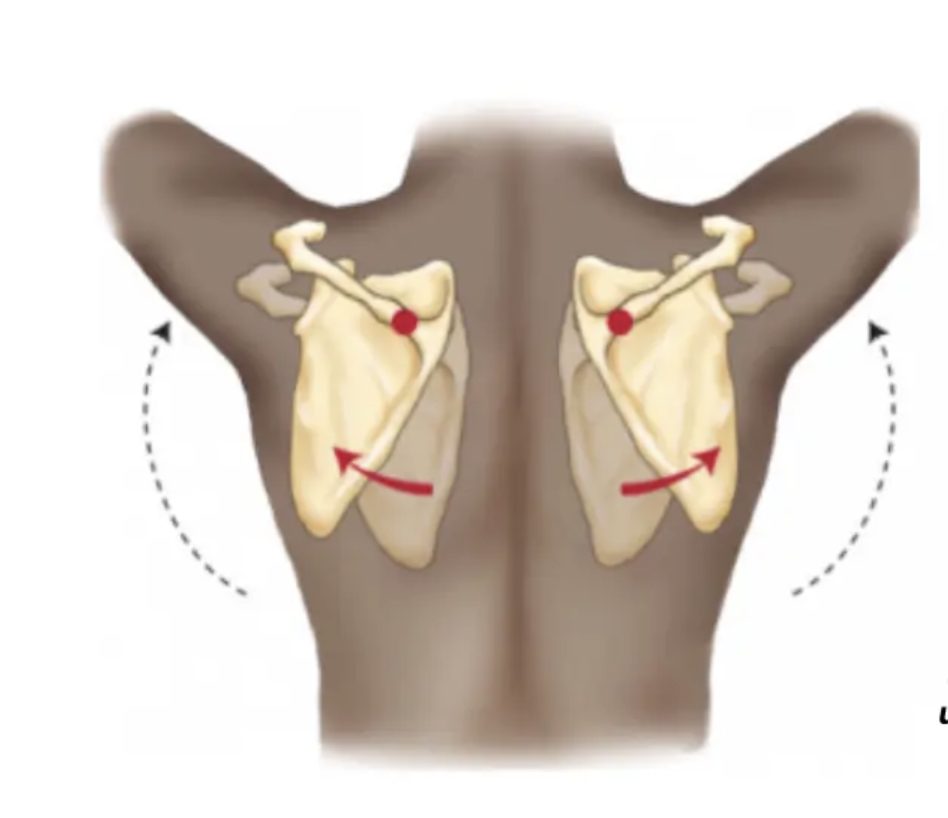
• Stabilizes the scapula against the rib cage
When functioning properly, it helps create space in the shoulder joint, preventing pinching and irritation.
What Happens When the Lower Trap Is Weak?
When the lower trapezius is weak:
- The shoulder blade doesn’t rotate properly
- Other muscles (like the upper traps) overcompensate
- The humeral head can shift upward
This often leads to:
- Shoulder impingement
- Pain with overhead motion
- Poor movement mechanics
- Decreased strength and endurance
Forward Shoulder Posture: The Silent Contributor
Forward shoulder posture (also called rounded shoulders) is extremely common—especially if you:
- Sit at a desk for long hours
- Use a phone or laptop frequently
- Drive often
- Perform repetitive forward-reaching tasks
This posture causes:
- Tightness in the pectoralis muscles
- Weakness in the mid and lower traps
- Poor scapular positioning
Over time, this creates a perfect storm for shoulder pain.
Why Overhead Movements Hurt
When you raise your arm overhead with poor posture and weak stabilizers:
- The shoulder blade fails to rotate upward efficiently
- The space in the shoulder joint (subacromial space) narrows
- Tendons and soft tissues get compressed
This is commonly referred to as shoulder impingement syndrome.
Signs This Might Be Your Problem
You may be dealing with lower trap weakness and postural dysfunction if you notice:
- Pain when reaching overhead
- Shoulder discomfort during workouts (especially overhead pressing)
- Neck or upper trap tightness
- Rounded shoulders or slouched posture
- Fatigue in the upper back
How Physical Therapy Can Help
At our clinic, we don’t just treat the symptoms—we address the root cause.
A comprehensive physical therapy plan may include:
1. Postural Correction
- Education on proper sitting and standing posture
- Ergonomic adjustments for work and daily life
2. Mobility Work
- Stretching tight muscles (pecs, anterior shoulder)
- Improving thoracic spine mobility
3. Targeted Strengthening
Focused exercises to activate and strengthen:
- Lower trapezius
- Middle trapezius
- Serratus anterior
4. Movement Retraining
- Teaching proper overhead mechanics
- Restoring efficient scapulohumeral rhythm
When to See a Physical Therapist in Bozeman, MT
If your shoulder pain:
- Has lasted more than a couple of weeks
- Is limiting your workouts or daily activities
- Keeps coming back
…it’s time to get it evaluated.
Working with a physical therapist can help you:
- Identify the true cause of your pain
- Correct movement dysfunctions
- Prevent long-term damage
Fix the Root Cause—Not Just the Symptoms
Shoulder pain with overhead movement is often a movement problem—not just a shoulder problem.
By improving posture, restoring mobility, and strengthening key stabilizers like the lower trapezius, you can get back to lifting, climbing, and living pain-free.
Image reference:
Benton, E. (February 1, 2022) How do we fix a scapular that doesn’t want to upwardly rotate?. Retrieved from https://injuryactive.com/how-do-we-fix-a-scapular-that-doesnt-want-to-upwardly-rotate/