

Fibularis Muscles: What They Are and Why They Might Be Causing Your Knee and Hip Pain
In my last blog post I explained how the dysfunction of a small muscle in your lower leg called the posterior tibialis can lead to knee and hip pain. Unfortunately, this is not the only potentially problematic muscle in the area.
If you’re dealing with persistent knee pain, outer hip discomfort, or recurring IT band issues, the real problem might not be where you feel the pain. In many cases, the root cause starts much lower, at your foot and ankle. More specifically, it may involve the fibularis muscles.
Understanding how these small often-overlooked muscles work and what happens when they don’t, can be the key to resolving knee and hip pain for good.
What Are the Fibularis Muscles?
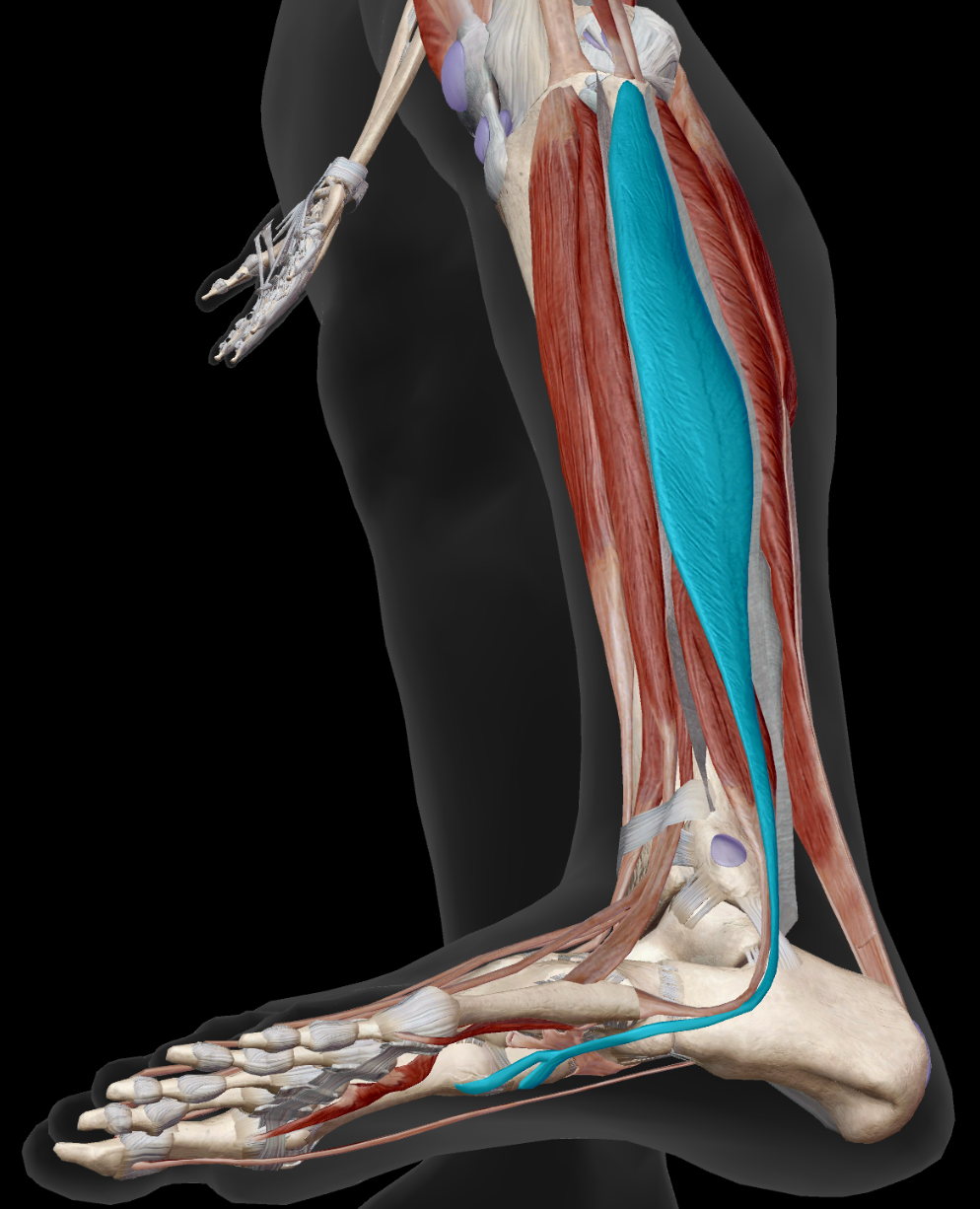
The fibularis longus and fibularis brevis are two important muscles located along the outside of your lower leg.
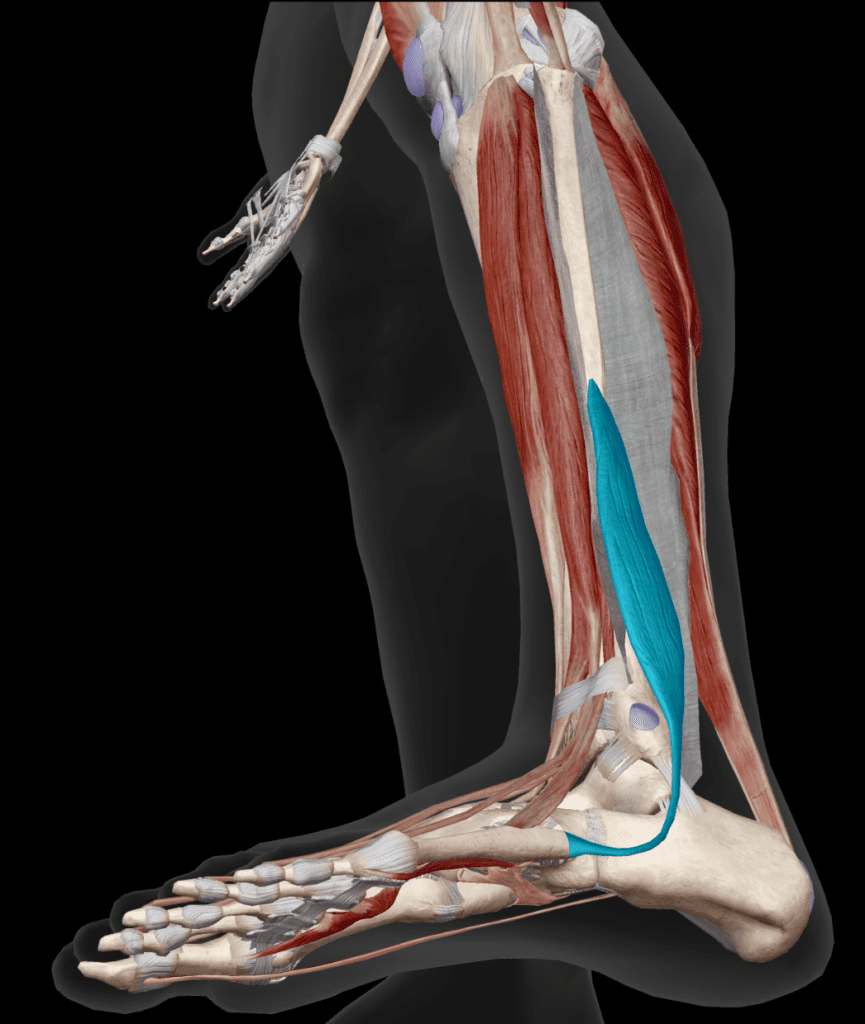
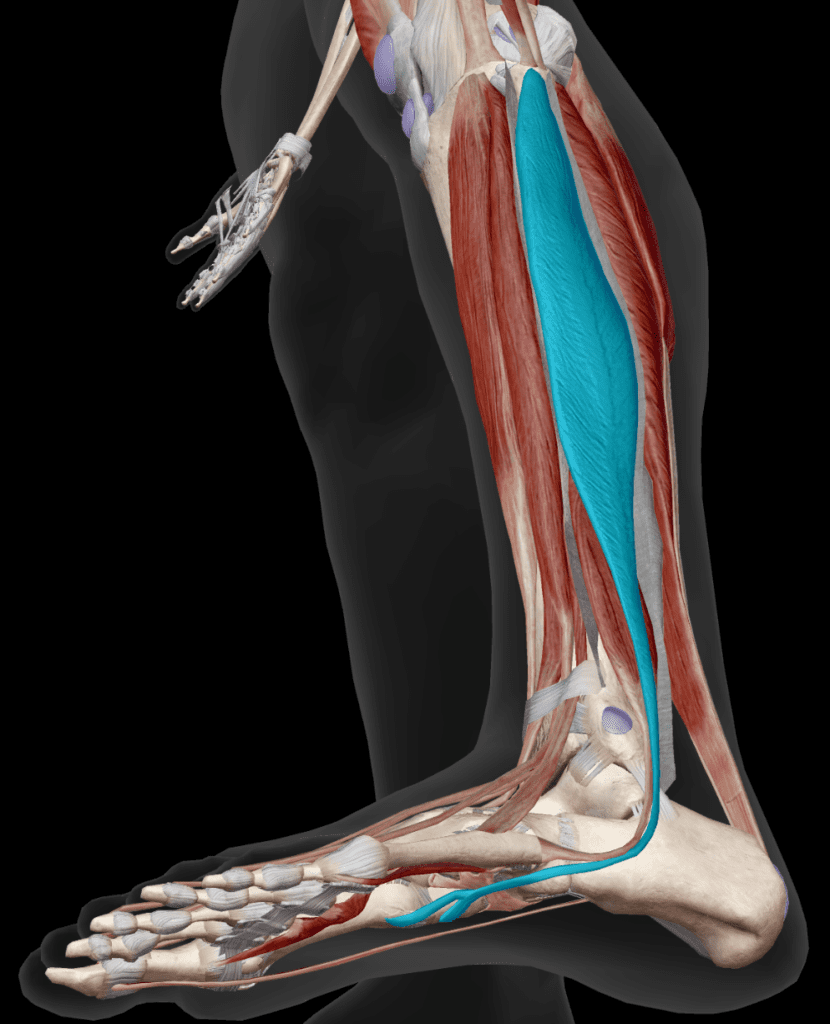
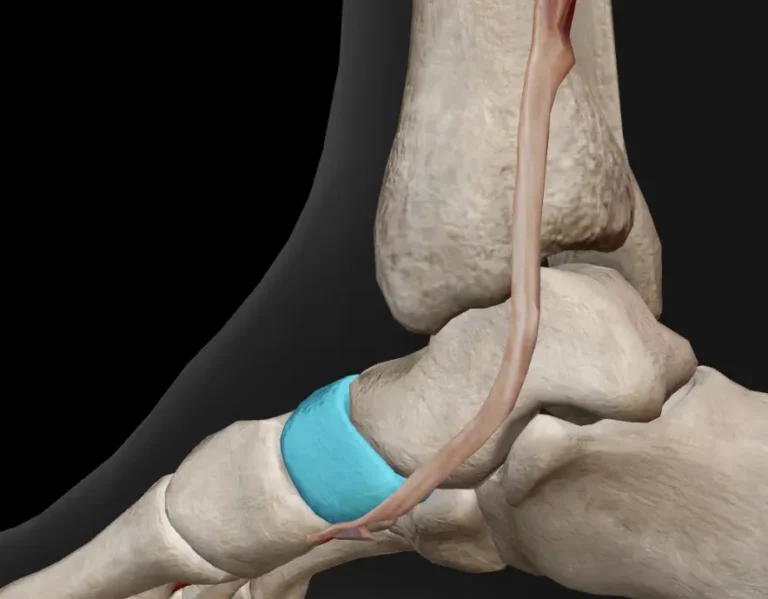
Both muscles originate on the fibula (the smaller bone on the outside of your lower leg). Fibularis longus wraps under the foot and inserts at the base of the medial foot, while Fibularis brevis wraps under the foot and inserts on the lateral aspect of the foot
Despite their size, these muscles play a massive role in how your foot interacts with the ground.
What Do the Fibularis Muscles Do?
The fibularis longus and brevis work together to perform three essential actions:
1. Foot Eversion and Pronation
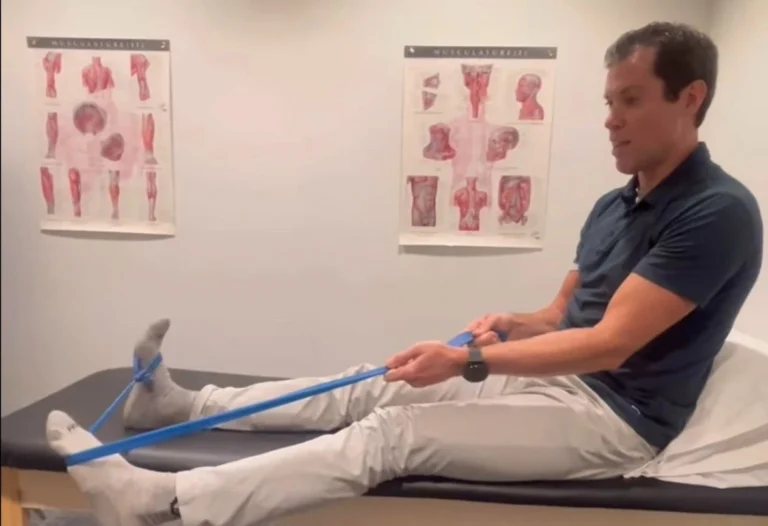
They help evert (turn outward) and pronate the foot, allowing it to adapt to the ground and absorb shock during walking and running.
2. Ankle Dorsiflexion
They assist in dorsiflexion, which is lifting your foot toward your shin—critical for normal gait and preventing tripping.
3. Support of the Transverse Arch
The fibularis longus, in particular, helps stabilize the transverse arch of the foot, contributing to balance, propulsion, and efficient force transfer up the leg.
When these muscles are working properly, your foot moves smoothly and efficiently. When they’re not, problems start stacking up fast.
What Happens When the Fibularis Muscles Don’t Activate Properly?
If the fibularis muscles are weak, inhibited, or poorly coordinated, the foot often loses its ability to pronate normally. This leads to over-supination.
What Is Over-Supination?
Over-supination occurs when your weight stays rolled toward the outside of your foot during standing, walking, or running. Instead of absorbing impact, the foot becomes rigid.
This rigidity doesn’t stay local, it can travel upward through the body and affect other areas.
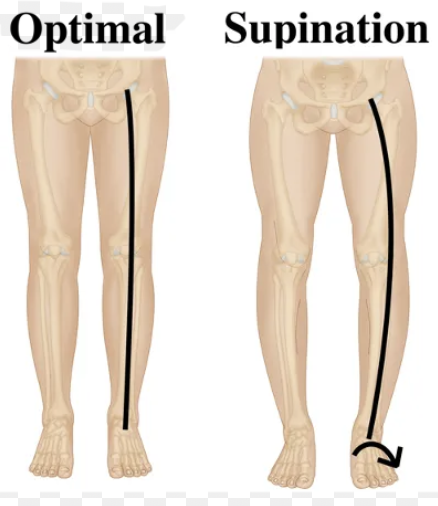
How Over-Supination Causes Knee Pain
When the foot can’t pronate properly:
- Shock absorption is reduced
- The tibia (shin bone) is forced to rotate outward
- The knee experiences abnormal rotational stress
This creates a kinetic chain reaction, where poor foot mechanics directly alter knee alignment and loading patterns.
Common knee conditions linked to fibularis dysfunction and over-supination include:
- Outer knee pain
- IT band syndrome
- Patellofemoral pain
Instead of force being distributed evenly, the knee ends up doing work it was never designed to handle.
The Link Between Fibularis Dysfunction and Hip Pain
The problem doesn’t stop at the knee. As the tibia rotates outward, it affects femoral alignment and hip mechanics. Over time, this can contribute to:
- Gluteal overuse or inhibition
- Lateral hip pain
- Reduced hip stability during single-leg activities
Many people chase hip pain with stretching and strengthening, never realizing the issue starts at the foot.
Why Treating the Source Matters
If you only treat the knee or hip without addressing fibularis muscle function, relief is often temporary. True, long-lasting improvement requires restoring:
- Neutral foot alignment
- Fibularis muscle activation
- A neutral tibial alignment
- Normal force transfer through the kinetic chain
This is why a comprehensive movement assessment and targeted rehabilitation are essential, not just isolated strengthening or stretching.
Final Thoughts
The fibularis muscles may live in your lower leg, but their influence extends all the way to your knee and hip. When these muscles fail to do their job, the entire system pays the price.
If you’re struggling with unexplained knee or hip pain, especially pain on the outside of the leg, your foot mechanics and fibularis muscle function deserve a closer look.
Image References:
https://thecarltoddclinic.com/insights/the-difference-between-supination-and-pronation/